Voyage en Italie, Sight-seeing in Italy, Italienische Reise: Dec. 10 ~19, 2003
Milano(Milan)- Verona- Venezia (Venice)- Ravenna- San Marino- Firenze (Florence)- Sienaー Assisi-Roma (Rome)
日本語ページ(Japanese version)

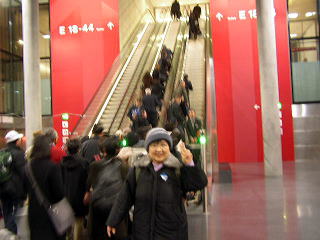
Escalator in Zurich Airport. Transit point to EU destinations,
landing after 12 hours flight over snowy and icy Siberia.


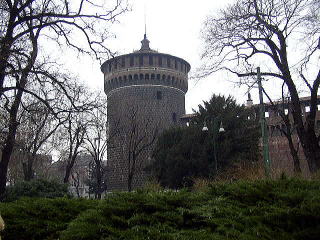
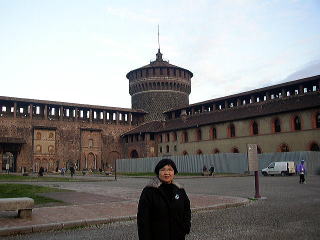
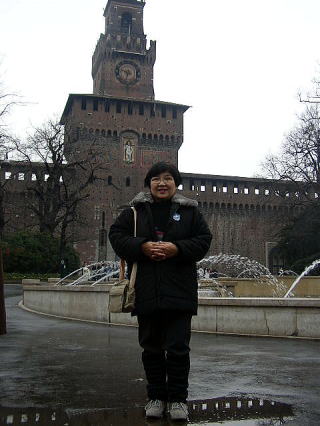
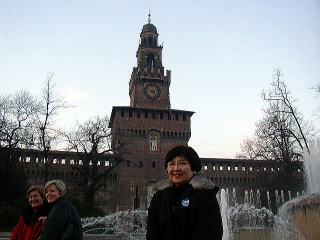
The cylindrical tower of Sforzesco Castle in Milan


The facade of Duomo (Italian word for designating the main cathedral of a city) is under renovation work, covered with scaffoldings. The security is very much tight after the capture of Sadam Hussein. Handbags and bulky garments were examined thoroughly before entering the church.
 

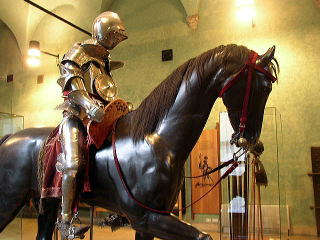
Display of arms room.
        
Entrance of the museum.


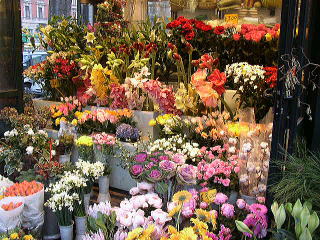
   Florist shop in front of the Castle.
           
An Italian guide accompanies the tour group under the system of tourism office regulations. Her function is most often only nominal, and a Japanese guide does practically all the job of explanations.


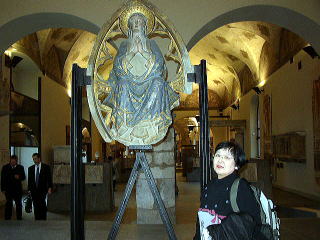
 A display in Sforzesco Museum


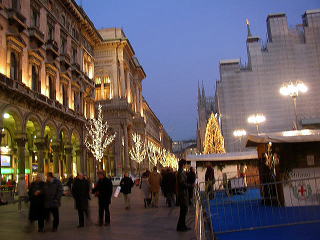
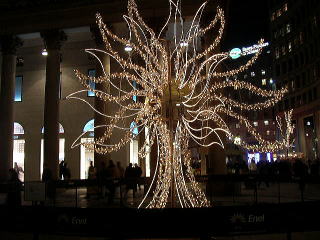
    Christmas lighting on a Milan street


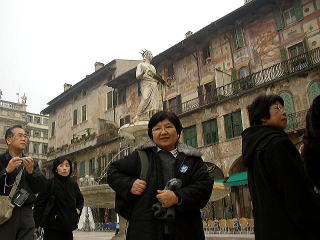
At a city square in Verona, the home town of the tragedy of Romeo and Juliet by William Shakespeare

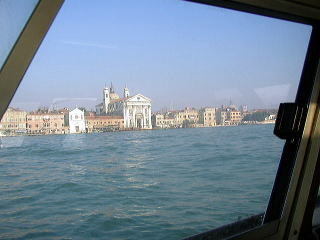
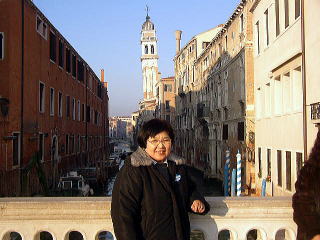
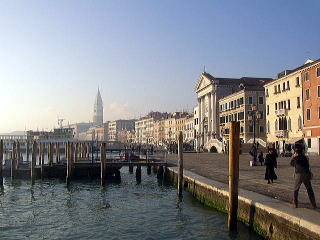
The waterfront view of Venice, from the window of ferry boat connecting the islands with the mainland
On a bridge across one of numberless canals crisscrossing through the entire island city of Venice.
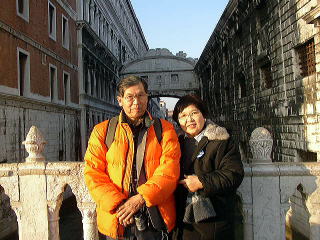
In the background is seen hanging in the air the bridge nicknamed "the bridge of sighs" (Ponte de soupire) celebrated for the descriptions by Lord Bylon, English poet. The bridge connects the prison on the right of the canal and the court on the left.

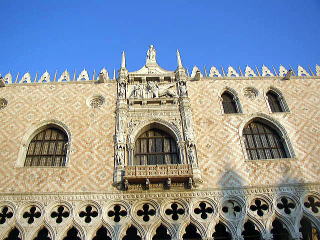
Ducale Palace, one of the major landmarks in Venice. Typical example of Gothic style architecture. Ducale means "of Duke", ruler of the city.
.
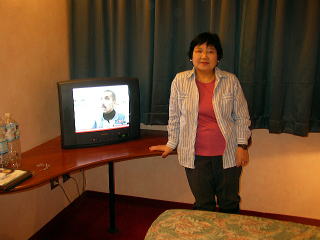
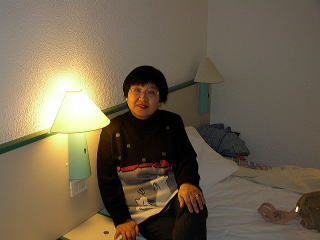
Hotel room in Venice. The best accomodation offered during the trip, but only for a overnight stay.
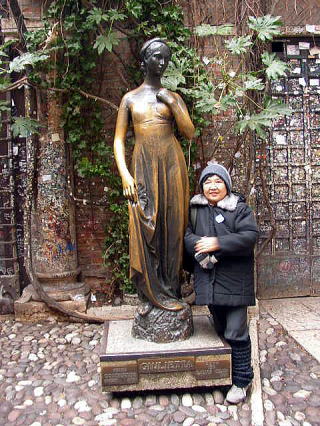
With the statue of Juliet in Verona, in front of the assumed house of hers.
Tradition says those who touch her bosom gain happiness. Her breasts are shining due to polishing by the touches of many happiness-seekers.
The wharf of Venice, thronged with ferry boats and gondolas servicing the traffics to all parts of the island city.
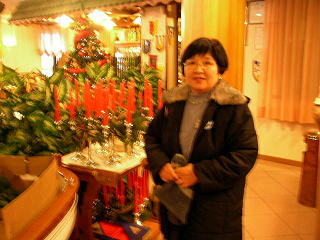
At a restaurant in Ravenna, the one time capital city of West Roman Empire.
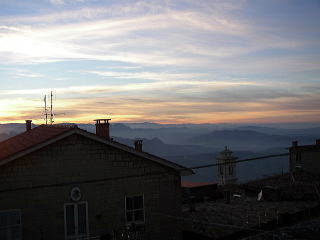
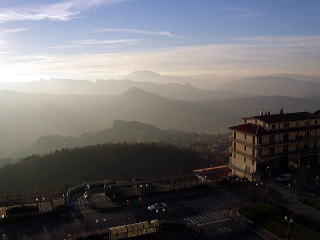
Dusk on the mountain top of San Marino. Viewing peaks of Appenine cordillera.


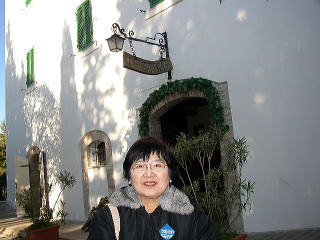
Good food was served at a restaurant located on the slope of olive orchard around Assisi.

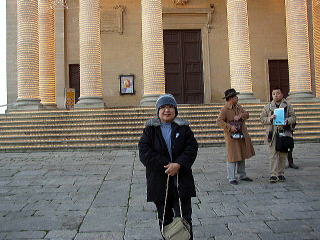
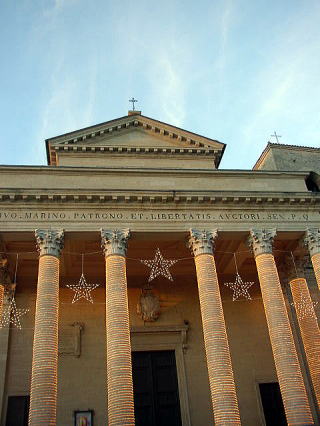
The facade of the Duomo of San Marino

San Marino is an independent republic within Italy. Population 27,000; land area of 61square kilometre. Initiated 1700 years ago, by a refuge from the oppression of Roman churchdom.
The govenment consists of two presidents, with six-months term, with legislative congress of 61 members. Medicare and education are free for citizens. Main industries: tourism, agriculture, and manufacturing. Defence and police are dependent on Italy. Managed to keep neutrality even during WWII. UN membership since 1992.
ibid.

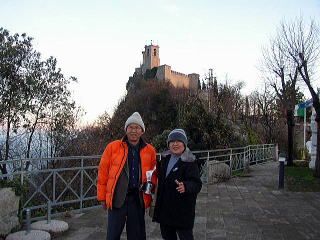
On the wall of fortess San Marino

Evening glory in San Marino
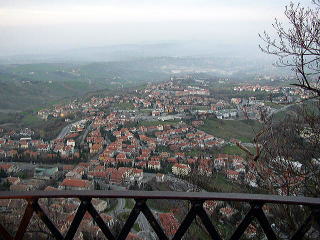
Panoramic view of San Marino suburban areas. If the weather is clear, one should be able to see the Adriatic Sea 10 km away, beyond the coastal city of Rimini.
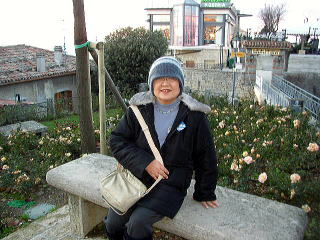
At a rose garden within San Marino Fortress.
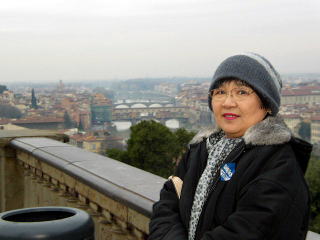
Viewing Arno river passing through Florence. The famous Ponte Vecchio (Old Bridge) is seen under misty morning air, from the parapet of Michelangelo Square on a hill lying in the left bank of the river.
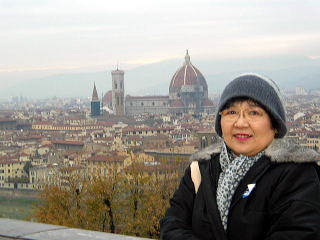
Panoramic view of the city center of Florence. The cathedral with a huge vault and a bell tower is that of Santa Maria del Fiore, Duomo of the city.
The dome structure with diameter of 45 m and 90 m high was a product of an artchitectural genius by the name of Bruneluschi, the top of which is accessible through a spiral corridors ascending through inter-mural space created by the double-crust structure of the roof. The bell tower is called "Giotte's belltower".
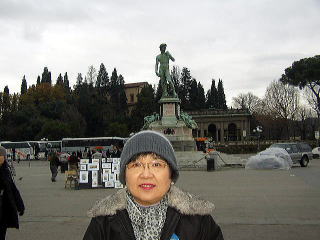
Statue of David in Michelangelo Square
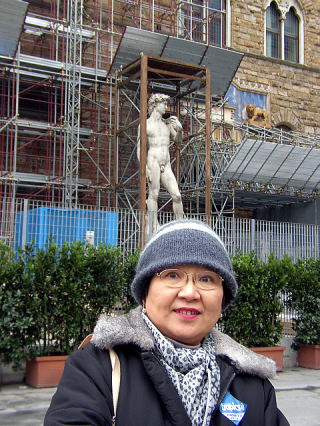
Statue of David (replica) standing at Senoria Square in Florence, in front of Municipal Office., former palace of Medicis.
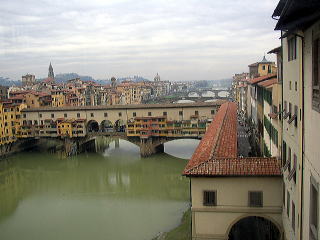
Ponte Vecchio, seen through a window pane of the corridor of Uffizi Museum of Florence.
This bridge's upper story is a passage for commuting to the office (Ufizzi) by dukes of the Medicis from the palace located on the other side of the river, called Piti Palace.
The street level houses jwelry shops on both sides of the passage.
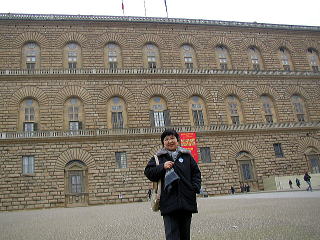
Pitti Palace, typical Rennaissance style architecture.
On the streets of Florence
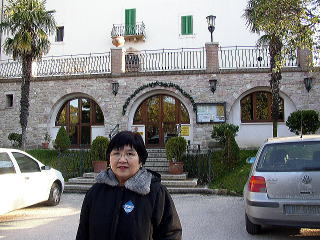
Best Western Hotel in Prato, a suburban city of Florence)
Castle of Medici in Siena.
Siena was once a prosperous and dominant city state in Tuscany, but contested with Florence for military hegemony there and was defeated, remaining under the reign of the Medicis ever since. Its economy stagnated due to discriminatory taxation system by the dynasty.
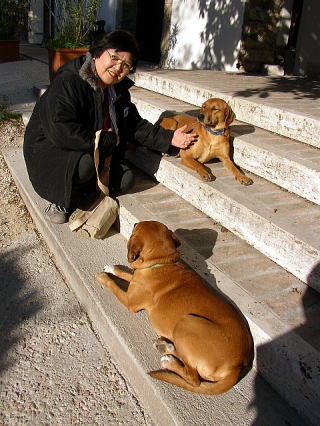
Dogs of a restaurant in Assisi
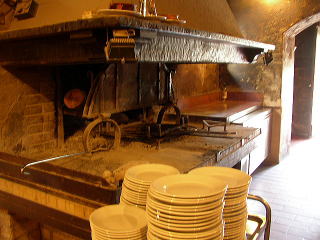
Bread baking furnace inside the Assisi restaurant.
Restaurant entrance
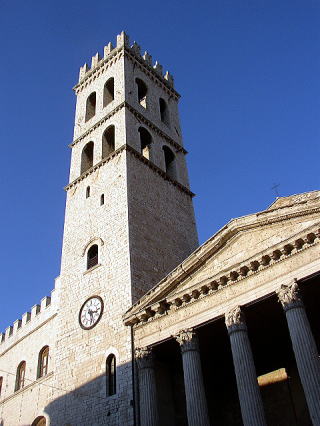
In Assisi
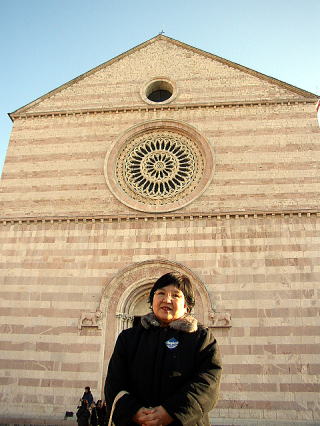
Pretty marble facade of Santa Chiara Cathedral in Assisi, which houses many valuable fresco mosaic pictures.
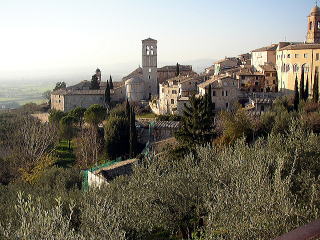
Olive orchard with St Francisco Cathedral in Assisi in the distance.
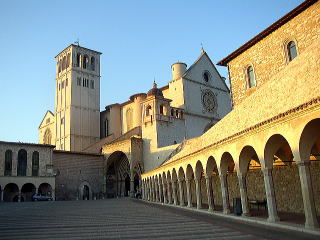
Belltower and facade of St. Francisco Cathedral of Assisi, which houses the tomb of the Saint.
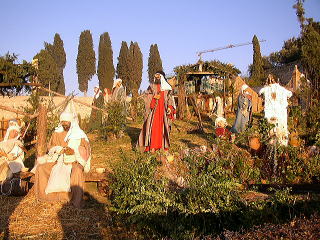
The nativity in front of the St. Francisco Cathedral in Assisi.
Another view of St. Francisco Cathedral
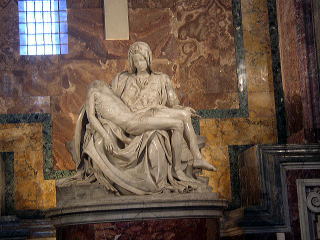
Pieta by Michelangelo in St. Peter's Cathedral in Vatican, Rome.
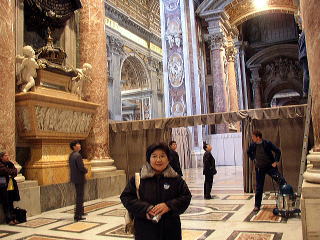
In St. Peter's Cathedral
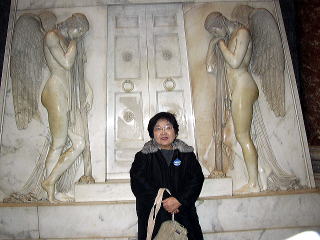
Beutiful reliefs of angels in St. Peter's Cathedral
Viewing Pope's living quarters in St. Peter's Cathedral.
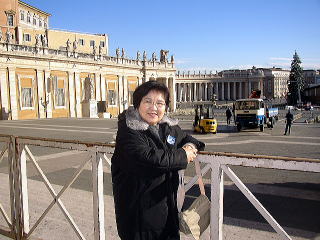
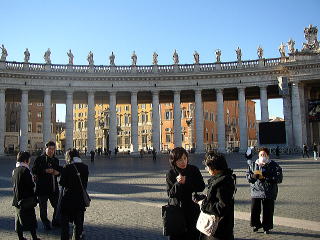
St Peter's Square in Vatican.
Multiple row columns are arranged on the radial lines around concentric semi-circles. All four(?) columns look as one if seen from the circle center.
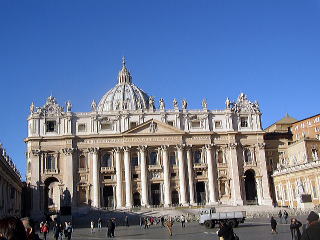
Facade of St. Peter's Cathedral in Vatican, the world smallest country.
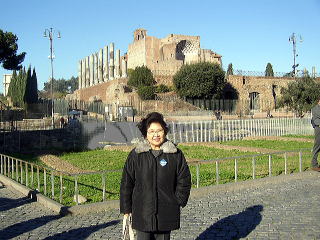
At the eastern gate of Roman Forum, in front of Colosseum.in Rome
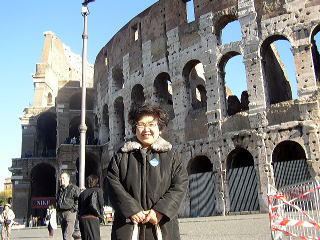
Ruins of Colosseum in Rome
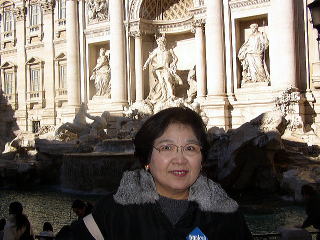
At the fountain of Trevi in Rome
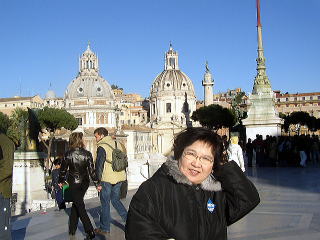
Venice Square in Rome, in front of Trajanus Monument
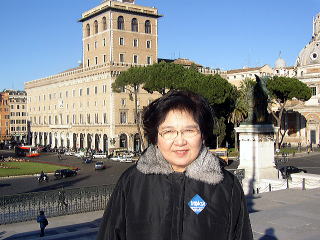
Venice Square in Rome, in front of Vittorio Emanuelle II Monument

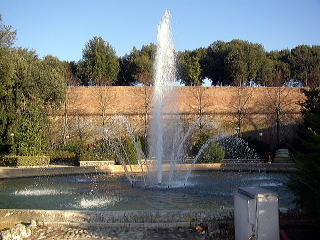
Fountain in front of the main gate of Sforzesco Castle

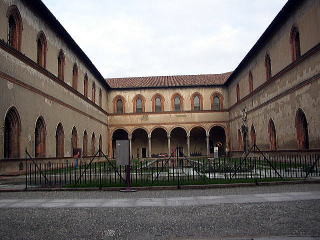
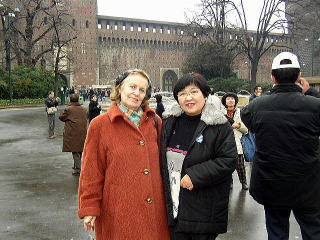
 The courtyard of Sforzesco Castle.
Milan was completely destroyed during the WWII. The remains of old buildings are found only at Duomo Church and this Castle. A museum is located here where you can view objects dating back to prehistoric time and coming down to Picasso, including mummies of ancient Egypt. Admission free.

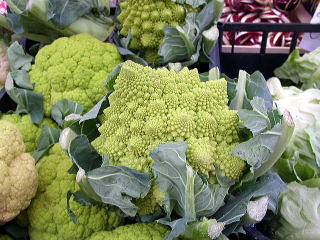
Cauliflower head with precise tapering helical arrangements of buds.

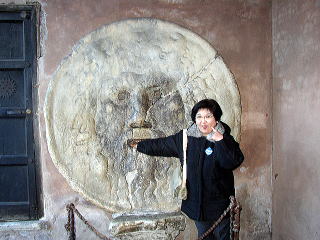
The mouth of truth (La bocca del Verita)
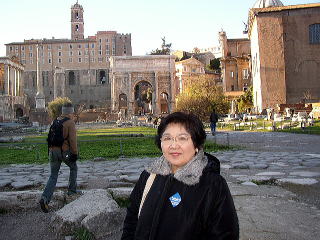
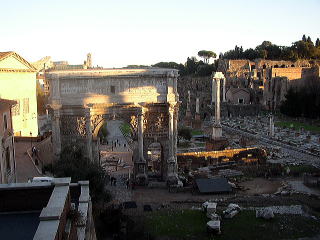
At the center of Roman Forum, where many historical events of ancient Rome took place, including the cremation of Julius Caesar who was killed by Brutus and his co-conspirators in March 15th, 44 B.C., while attending a Senate session held in Pompeius Theatre formerly located a few hundreds meters away from the Forum. On 18th, funeral day, his body was placed on the Rostrum, a platform seen beside the Arch of Triumph and shown to Roman citizen..

You can almost hear the resounding oratory of Mark Antony who, with the corpse of Caesar lying at hand, mourns the dictator's tragic death and manages to accuse the conspirators.
Friends, Romans, countrymen, lend me your ears.
I come to bury Caeser, not to praise him.
The evil that men do lives after them;
The good is oft interred with their bones.
So let it be with Caesar. The noble Brutus
Hath told you Caesar was ambitious.
If it were so, it was a grievous fault,
And grievously hath Caesar answered it.
Here, under leave of Brutus and the rest-
For Brutus is an honorable man,
So are they all, all honorable men-
Come I to speak in Caesar's funeral.
He was my friend, faithful and just to me;
But Brutus says he was ambitious,
And Brutus is an honorable man.
He hath brought many captives home to Rome,
Whose ransoms did the general coffers fill.
Did this in Caesar seem ambitious?
When that the poor have cried, Caesar hath wept;
Ambition should be made of sterner stuff.
Yet Brutus says he was ambitious,
And Brutus is an honorable man.
You all did see that on the Lupercal
I thrice presented him a kingly crown,
Which he did thrice refuse. Was this ambition?
Yet Brutus says he was ambitious,
And sure he is an honorable man.
I speak not to disprove what Brutus spoke,
But here I am to speak what I do know.
You all did love him once, not without cause.
What cause withholds you then to mourn for him?
O judgment! Thou art fled to brutish beasts,
And men have lost their reason. Bear with me;
My heart is in the coffin there in with Caesar,
And I must pause till it come back to me.

(quoted from Shakespeare, Julius Caesar, Act 3, Scene 2)


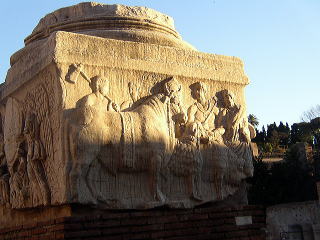
A relief seen on a pedestal of column of a temple ruins in Roman Forum
Arc of triumph of Seversus in Roman Forum
Palatino Hill on the right
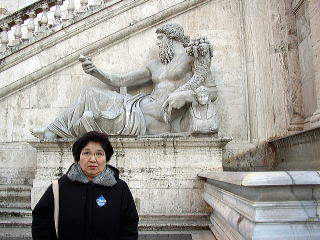
Campidolio Square
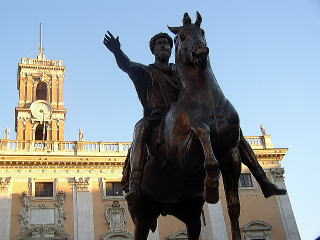
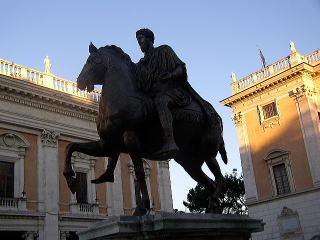
Statue of Marcus Aurelius Antoninus (121-180), Emperor of Rome(161-180) who wrote in Greek  "The Meditations", advocating the stoicism in human conducts. http://classics.mit.edu/Antoninus/meditations.1.one.html

The barbarians who invaded and destroyed Rome spared the statue, presumably because of the majesty and awe-inspiring aura it emanates.
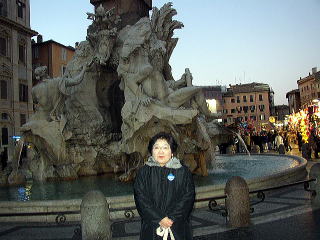
Fountain of four rivers in Navona Square, designed by Bernini, personifying great rivers of the world, Nile, Gandhis, La Plata, and Danube
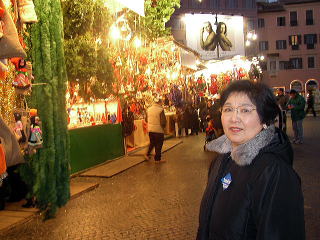
Christmas market in Navona Sq.
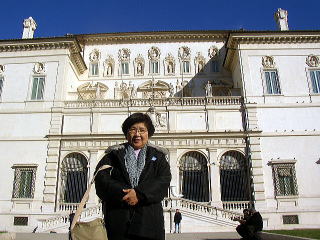
Borghese Museum, originating from a private property and collections of relatives of a pope.
Its acquisition includes masterpieces of marble sculpture by Bernini and Canova.
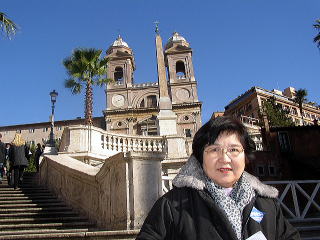
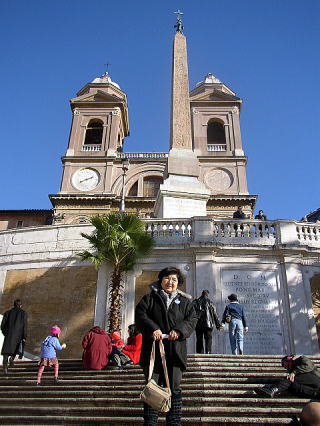
At the Spanish Step and Trinity di Mont
Trinity di Monte
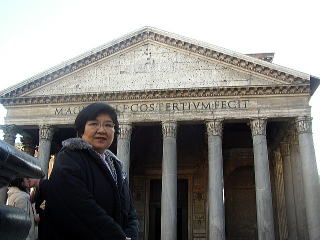
Pantheon
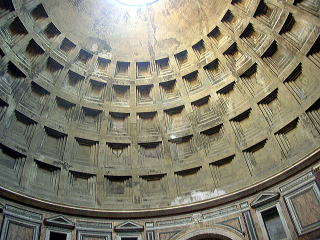
Vault of Pantheon, with rooftop opening of 9m in diameter hole.
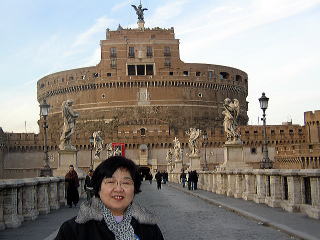
Castle of Saint Angels
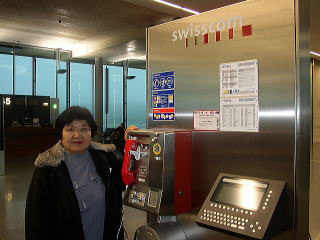
Zurich Airport. Red is the symbol color of Swiss.
Italy, Green.

Thank you for your patience in viewing through this long page till here.